

On April 7, 2026, in the heart of Jakarta, Indonesia, survivor and author Liliane Murangwayire stood before an international audience to share her story — a story of unimaginable loss, physical wounds that never fully healed, and an unwavering commitment to speak for those who can no longer speak for themselves.
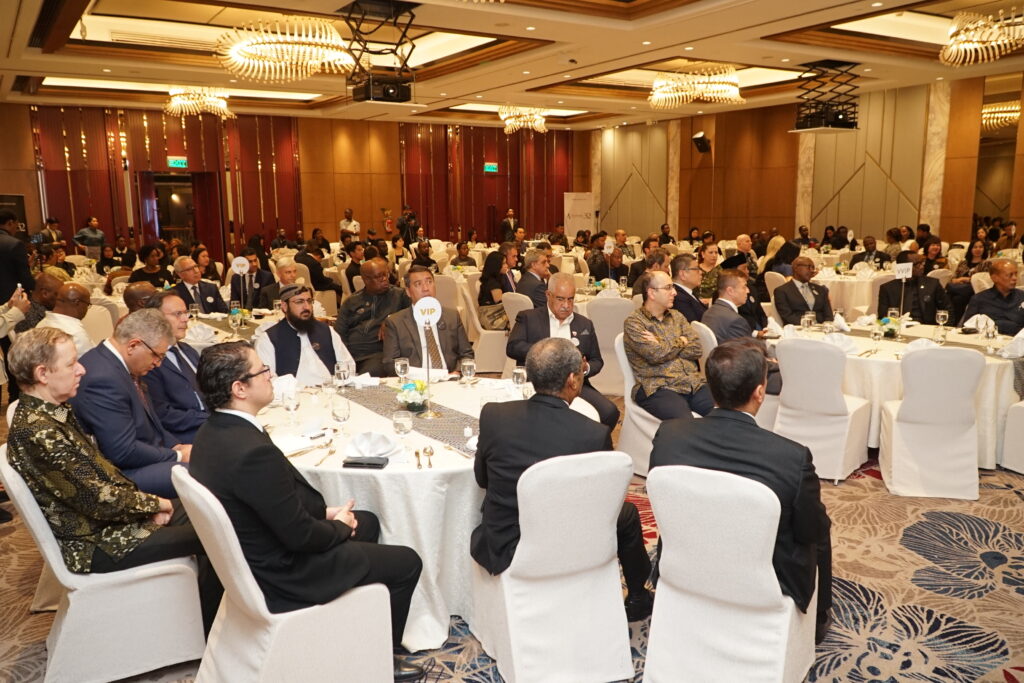
The event was organized by the Embassy of Rwanda in Jakarta in collaboration with the Rwandan Community Abroad, marking the 32nd commemoration of the 1994 Genocide against the Tutsi — Kwibuka32. Indonesian officials, diplomats, civil society members, and Friends of Rwanda gathered in a solemn act of collective remembrance.
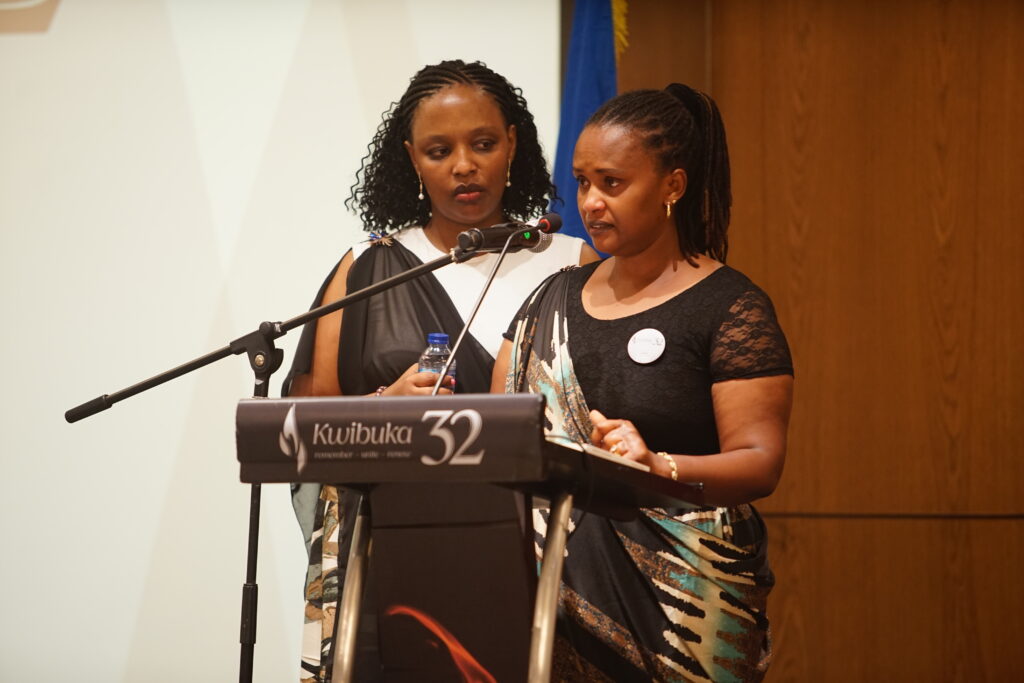
Liliane took the stage and began to speak — carefully, deliberately — carrying the weight of a story she has told many times, yet one that never grows lighter in the telling. The scars of the violence are carried not only in her memory, but on her arm, her leg, and her head — visible, permanent reminders of what she survived at just 12 years old in Ntarama.
She had made a promise long ago: to be a voice for those who were silenced forever. On this evening in Jakarta, she kept that promise once again.
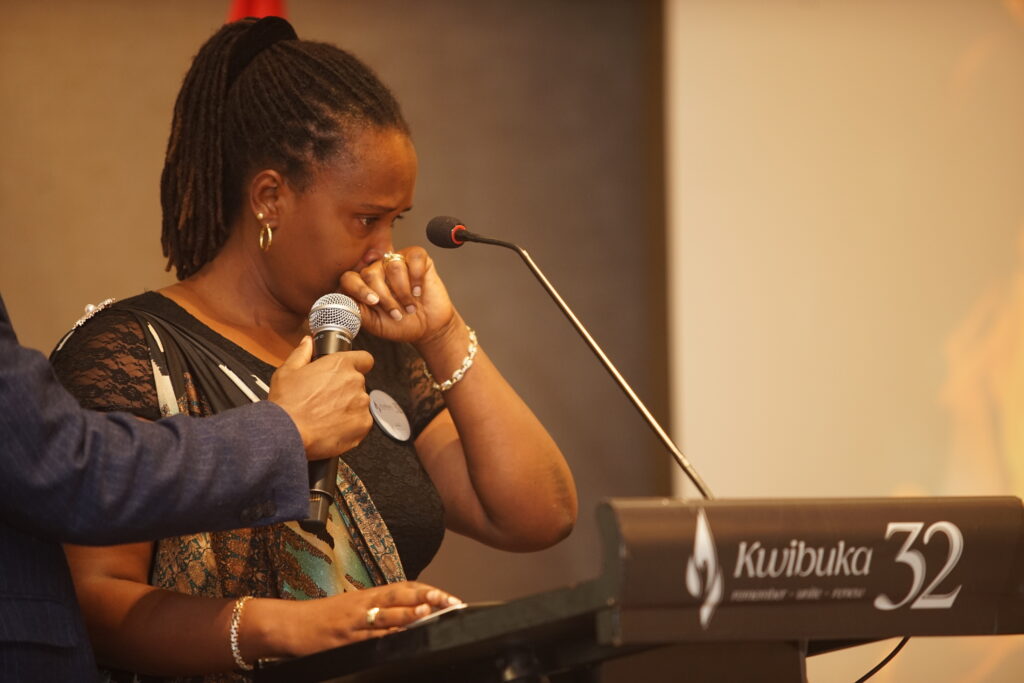
“Today, I stand before you not only as a survivor, but as a witness — a witness of what hatred can do, and a witness of the strength of hope, resilience, and humanity,” she told the audience.
Her message was clear: what happened in Rwanda three decades ago was not a distant or isolated tragedy. It can happen anywhere — if we choose to remain silent, allow division, and forget history. Liliane’s testimony was both a remembrance and a warning, delivered with the quiet authority of someone who has lived what others can barely imagine.
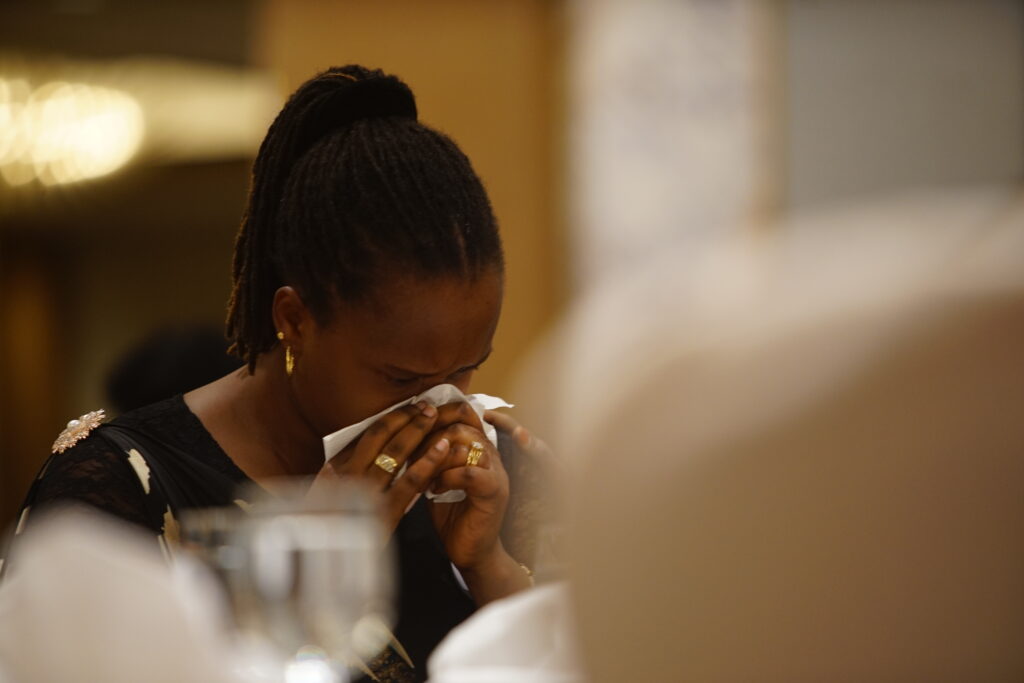
Her words moved many in the audience to tears. The raw grief of remembrance was visible across the room — not only among the Rwandan community present, but among Indonesian guests encountering a first-hand account of the genocide for the first time.
Ambassador Abdul Karim Harelimana, who addressed the gathering on behalf of the Embassy of Rwanda, urged all present to move beyond words. Reflecting on the Kwibuka32 theme of Remember, Unite, Renew, he called on everyone to make the commitment to “Genocide Never Again” a reality, not a slogan. The Guest of Honor, Indonesian Minister of Forestry Raja Juli Antoni, also spoke — noting Rwanda’s extraordinary journey of recovery and affirming Indonesia’s commitment to deepening its partnership with Rwanda.
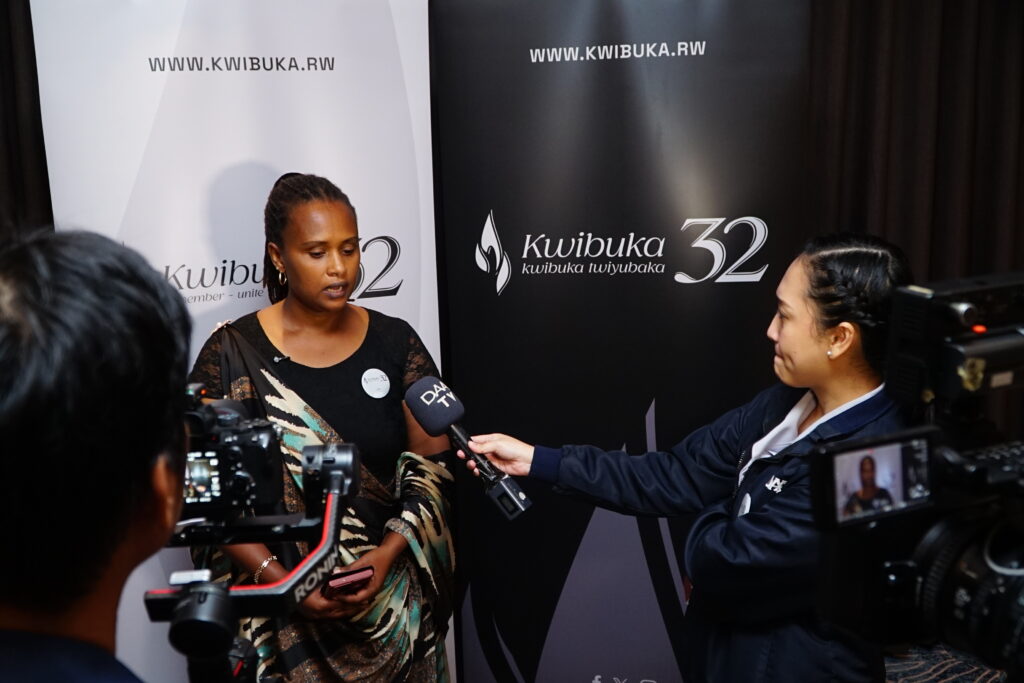
Following the ceremony, Liliane was sought out by Indonesian media. She gave interviews to multiple outlets, including DAAI TV, continuing to carry her message beyond the walls of the event — proof that a single testimony can ripple far beyond the room in which it is given.
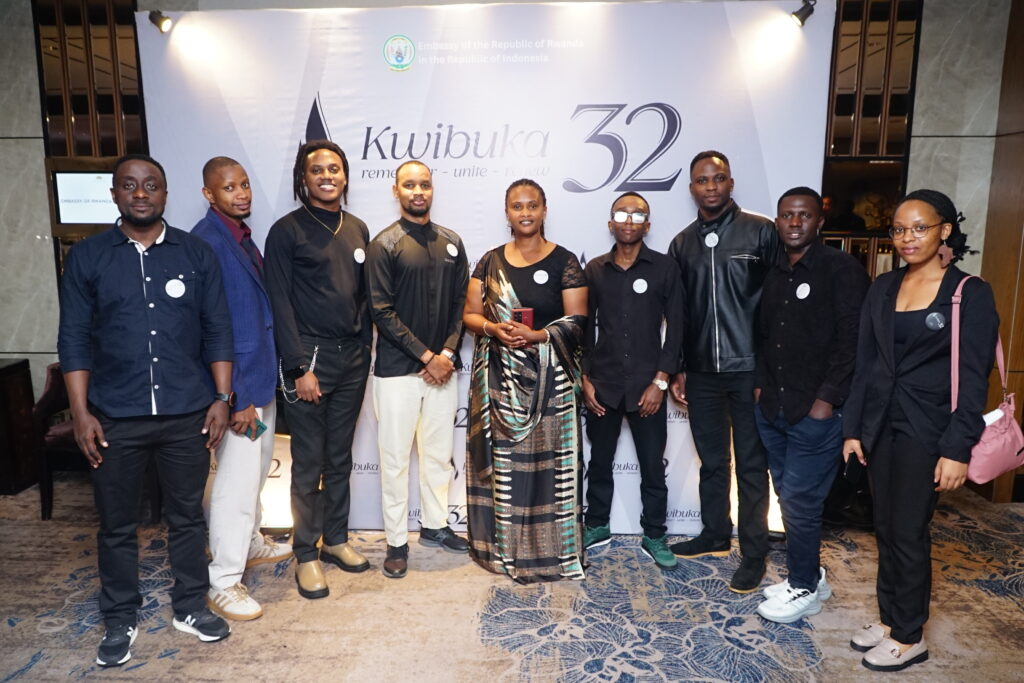
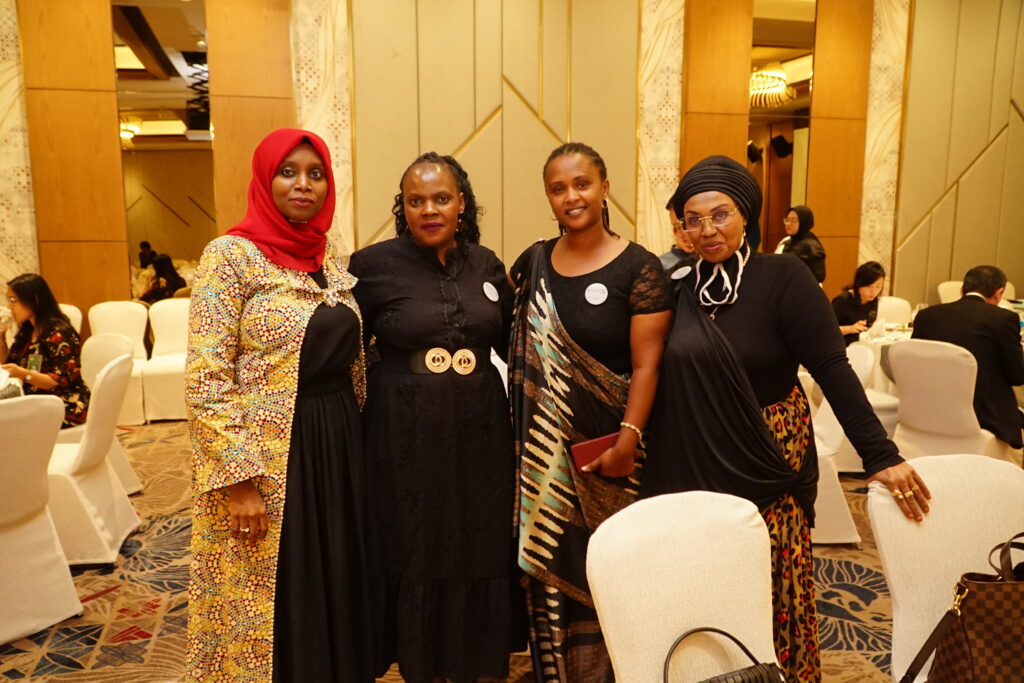
The evening ended not in grief alone, but in warmth and human connection. Liliane was surrounded by members of the Rwandan community in Indonesia and new friends moved by her story — a reminder that bearing witness, as painful as it is, also builds something lasting.
From Rwanda to Germany to Indonesia — Liliane’s story continues to travel. Each testimony is a bridge built between nations, a thread of truth woven into the fabric of global memory. Genocide remembrance is not the responsibility of one people or one country. It is a shared human obligation.
Her voice carries far. And she will not stop.